
Why responsible play matters for a title like this
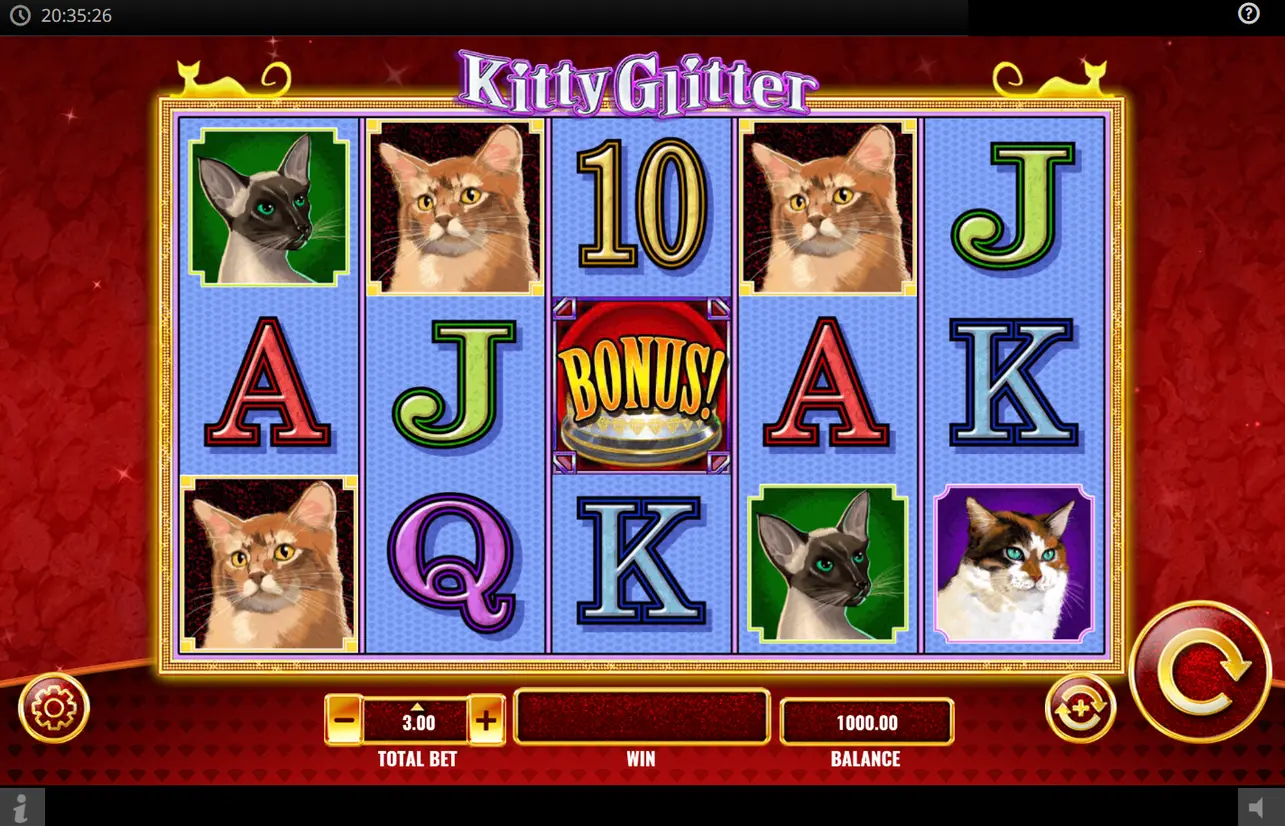
Kitty Glitter is a medium-volatility five-reel slot with a modest reported top multiplier and no bonus-buy option, which by design paces out wins and losses over longer sessions rather than delivering sudden swings. That pacing does not remove risk. A session can still run long without a clear win, and free spins with the diamond-accumulator feature can create the impression that a big result is close even when the underlying math has not changed. This page is not about the game's mechanics — it is about the tools Canadian players have to keep a session within their own limits, regardless of how the reels behave.
Provincial oversight and where it applies
Gambling regulation in Canada is handled at the provincial level rather than through a single national body. In Ontario, the Alcohol and Gaming Commission of Ontario (AGCO) sets standards for licensed operators, including requirements around self-exclusion and responsible-gaming disclosures. In British Columbia, the Gambling Policy and Enforcement Branch (GPEB) performs a comparable role, overseeing both land-based venues and provincially regulated online platforms. In Quebec, Loto-Quebec operates as both regulator and operator for many gambling products in the province, with its own player-protection framework.
No single regulator issues a technical certificate specifically for Kitty Glitter, and this review has not found a public regulator filing tied to this exact title. That is normal for individual slot games — certification generally applies to the platform or operator carrying the game, not to each title separately. What matters for a player is whether the casino offering Kitty Glitter itself holds a valid licence in the applicable province.
Because oversight is split by province, the practical responsible-gaming tools available to a player can differ depending on where they are located and which operator they use. A player in Ontario dealing with AGCO-licensed sites has access to a different self-exclusion registry than a player using a Loto-Quebec-affiliated platform in Quebec. Checking which regulator applies to a specific casino, rather than assuming national uniformity, is a useful first step before extended play.
Age limits, self-exclusion, and where to get support
The legal minimum age to gamble in Canada is 19 in most provinces, but it drops to 18 in Alberta, Manitoba, and Quebec. Licensed operators are required to verify age before allowing real-money play, and this applies to Kitty Glitter the same as any other title on a regulated site. Demo versions of the game, where offered, do not carry the same financial risk, but age-gating still commonly applies on the hosting site.
Self-exclusion programs let a player voluntarily block their own access to gambling products for a set period or indefinitely. AGCO-regulated Ontario operators, GPEB-overseen British Columbia platforms, and Loto-Quebec each maintain their own registration processes; a player who wants to step back from any slot, including Kitty Glitter, should look up the self-exclusion tool tied to the specific operator and province rather than assume one registry covers the whole country.
Free national support is available through the Canadian Centre on Substance Use and Addiction and through provincial helplines such as ConnexOntario, and most licensed casino platforms display these contacts directly on their site footer or account settings pages. These resources are independent of any operator and free to use.
None of the material in this review should be read as encouragement to play Kitty Glitter or any other slot for longer or at higher stakes. The medium volatility and capped multiplier described elsewhere on this site describe how the game behaves mathematically, not how a session should be managed — that decision, and the tools to support it, rest with the player and the licensed operator.